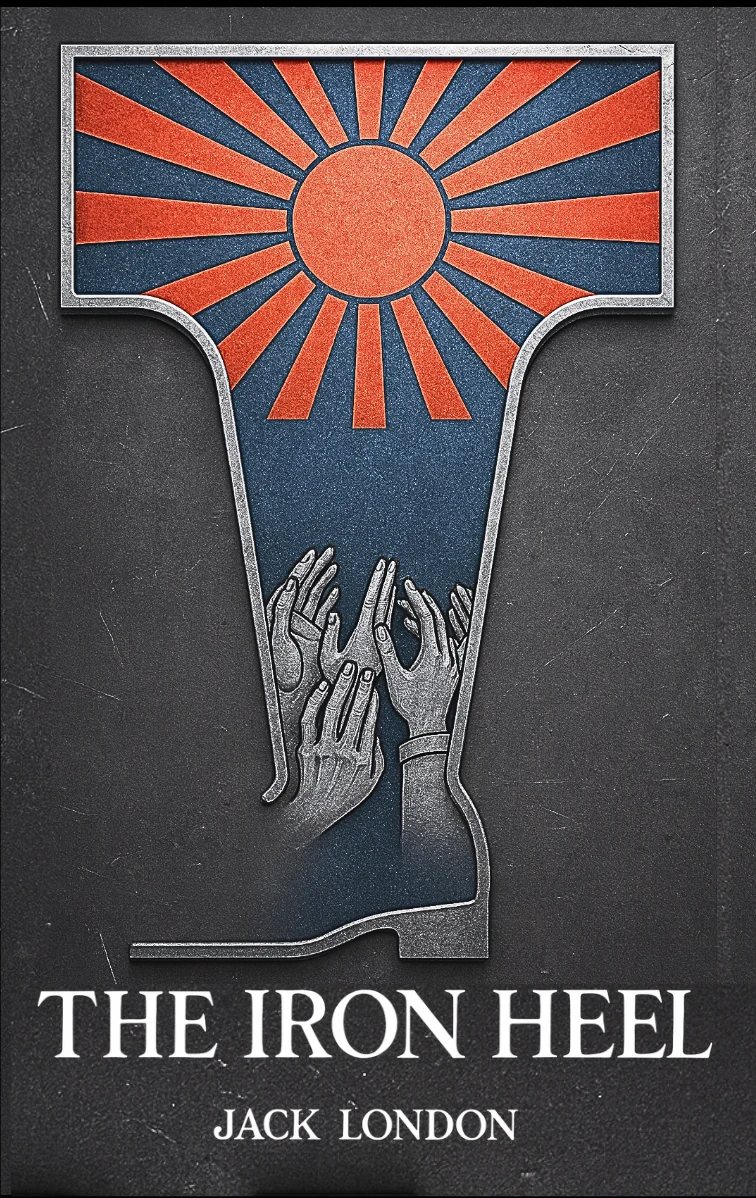
In Jack London’s The Iron Heel (1908), Avis Everhard records the rise of an American oligarchy and her life inside the movement resisting it. The Time Warp Edition pairs the novel with sixteen original illustrations and Lee Raymond’s Introduction on the institutions through which wealth turns into political control.
Illustrated · Introduction by Lee Raymond · Time Warp Editions
The illustrated paperbackTime Warp Editions
16 original illustrationsIntroduction by Lee Raymond335 pages · Illustrated paperbackExplore the edition ↗
Read the novel. Enter the argument.
Anatomy of an oligarchy.
In Jack London’s The Iron Heel (1908), domination reaches into ordinary transactions: a freight bill, a publishing contract, a university appointment. These four encounters pair London’s language with Lee Raymond’s Introduction. Follow the passage from the act of control to the ideas that make it acceptable.
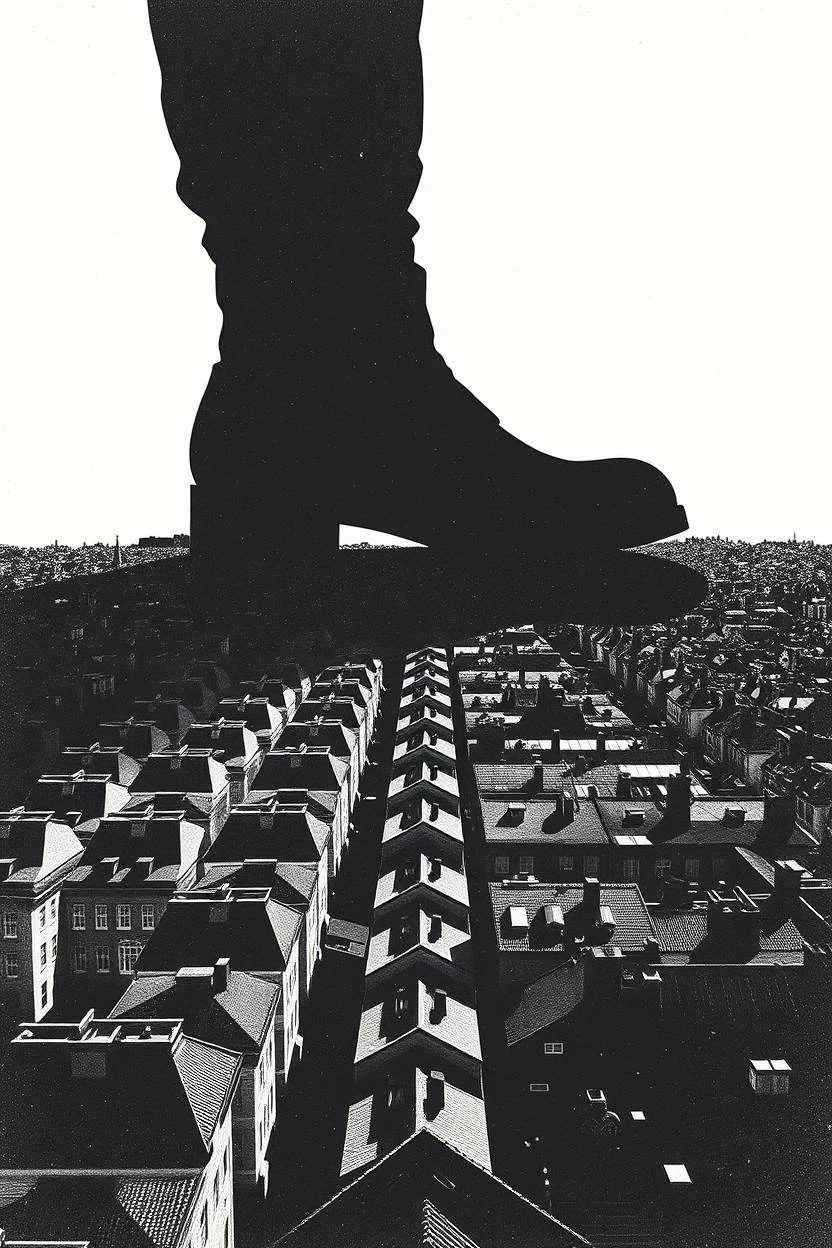
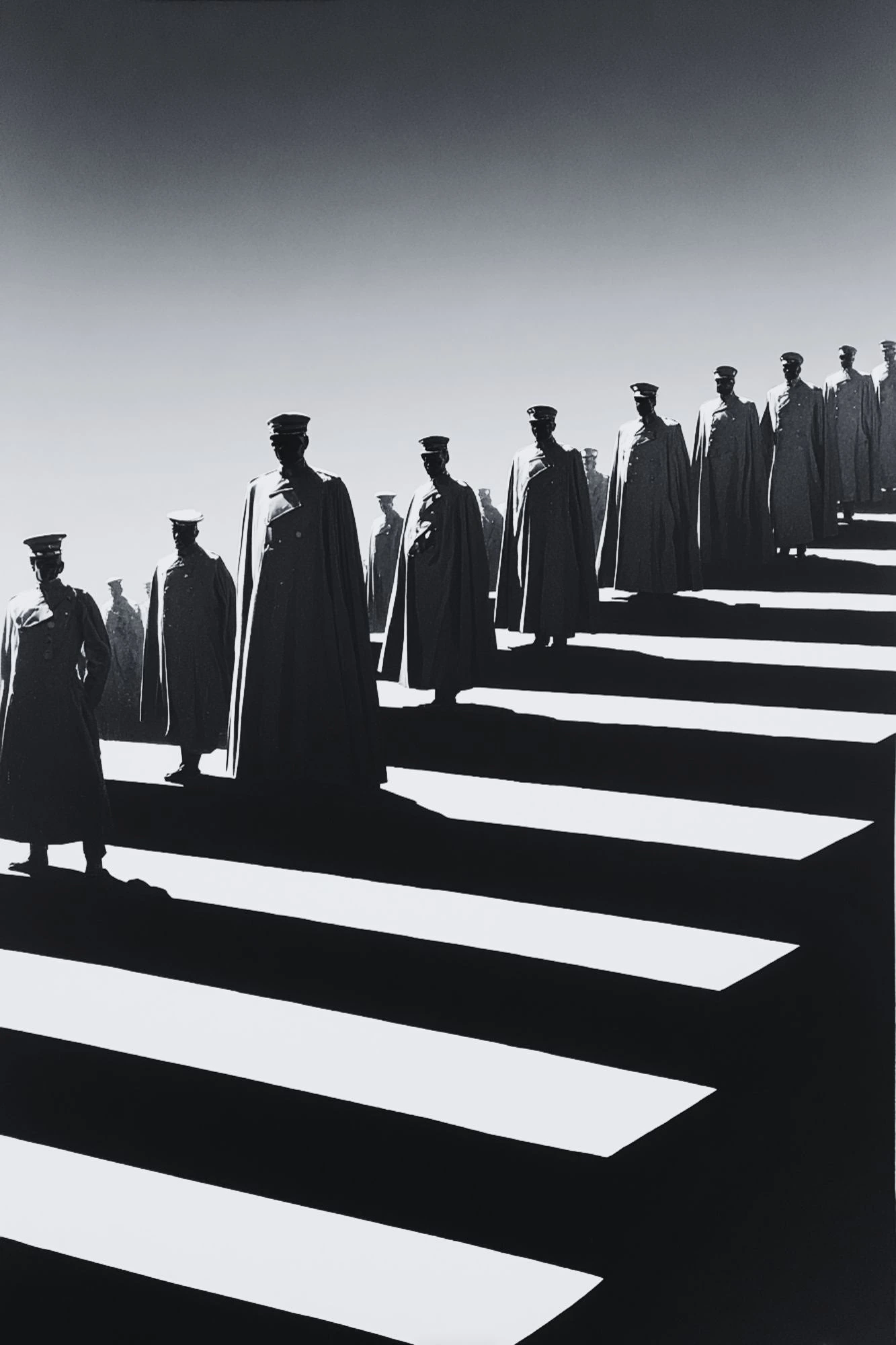
01 / Wealth Selected artwork from the edition’s image collection.
01 / Wealth
The price of staying in business.
“For look you, when I place a big contract, the terms of which favor me a goodly profit, the freight rate from my quarry to market is promptly raised. No explanation is made. The railroad gets my profit. Under such circumstances I have never succeeded in getting the railroad to reconsider its raise. On the other hand, when there have been accidents, increased expenses of operating, or contracts with less profitable terms, I have always succeeded in getting the railroad to lower its rate. What is the result? Large or small, the railroad always gets my profits.”
Trusts eliminate competition. Large corporations use their superior capital and efficiency to drive small businesses and manufacturers to ruin. Businessmen at a dinner party describe how trusts absorb all their profits, effectively reducing them to the status of employees or forcing them into bankruptcy. Yet, they too would combine and consolidate if they could. At times it reads like the story of Amazon entering small-town anywhere, a prediction unearthed from a time capsule.
Lee Raymond · Introduction to the Time Warp Edition (2025) “Forging the Iron Heel”
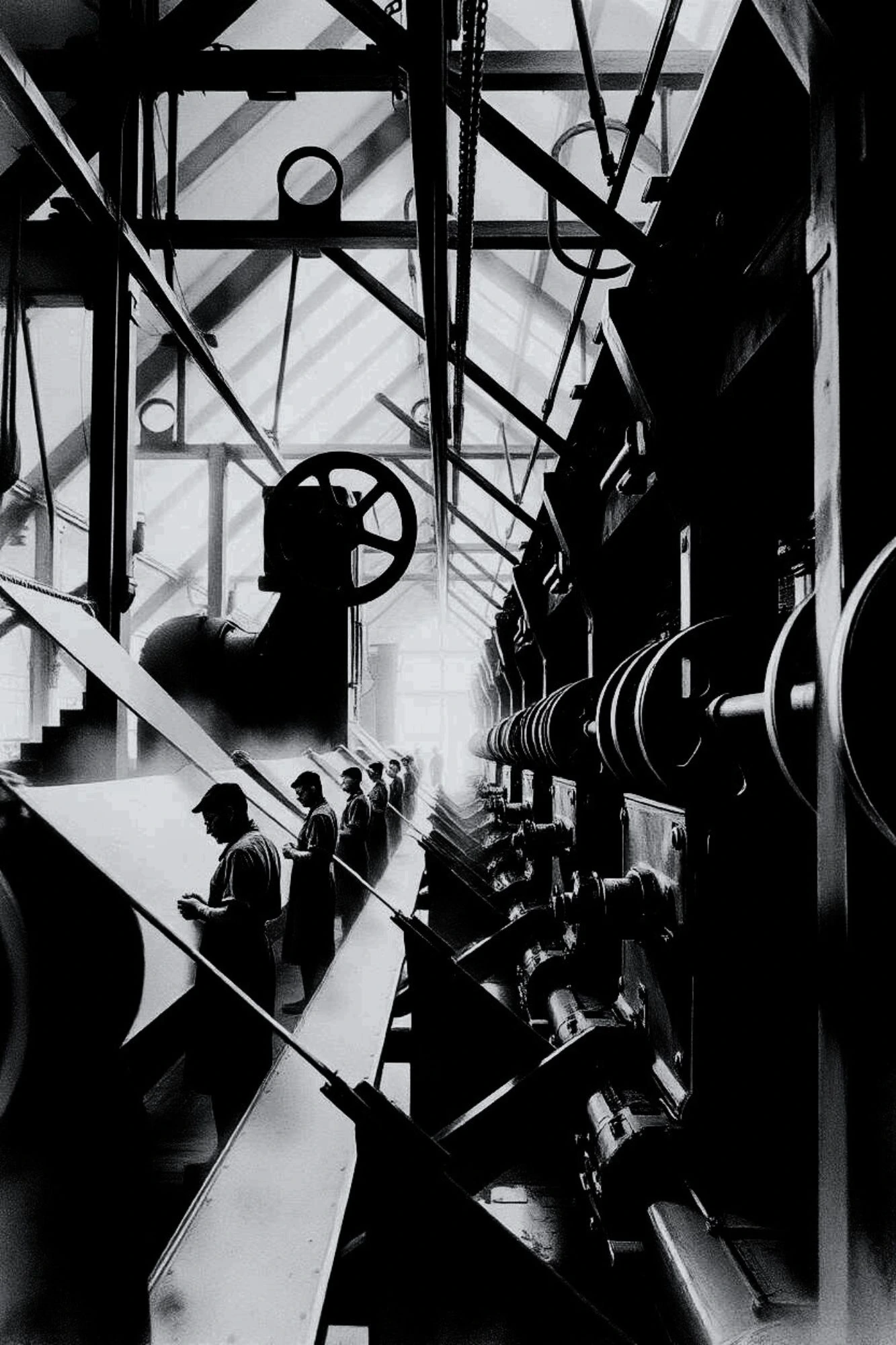
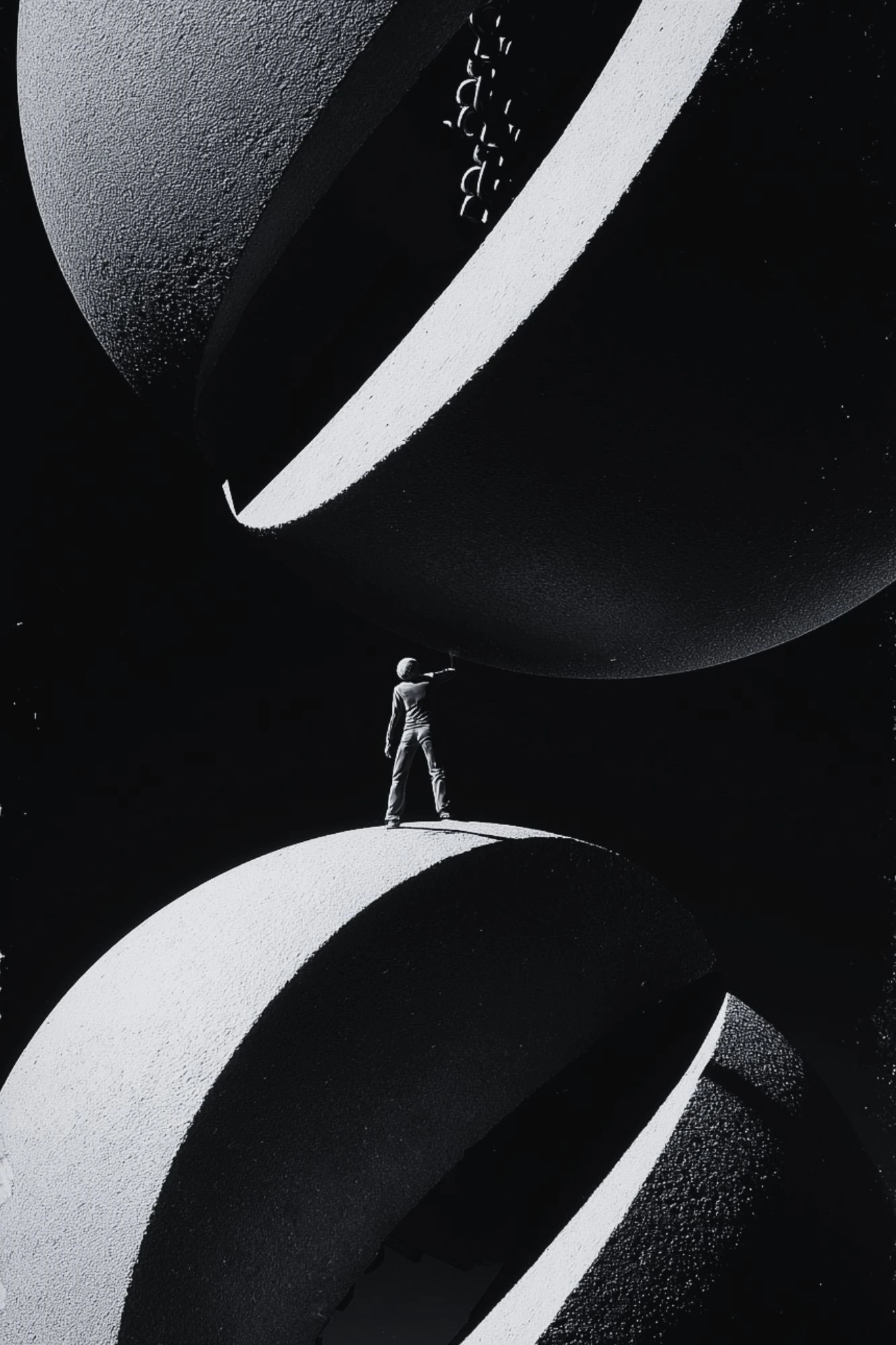
02 / Institutions Selected artwork from the edition’s image collection.
02 / Institutions
Convinced they are doing right.
“The great driving force of the oligarchs is the belief that they are doing right. Never mind the exceptions, and never mind the oppression and injustice in which the Iron Heel was conceived. All is granted. The point is that the strength of the Oligarchy today lies in its satisfied conception of its own righteousness.”
Industrial trusts do more than simply control markets. They reorganize social life. The mostly nameless and faceless oligarchs need not shout their dominance. They paper it in law and legitimate it with expertise. This is the signature of a mature elite: instead of announcing itself it is simply felt in prices, contracts, and law.
Lee Raymond · Introduction to the Time Warp Edition (2025) “Forging the Iron Heel”
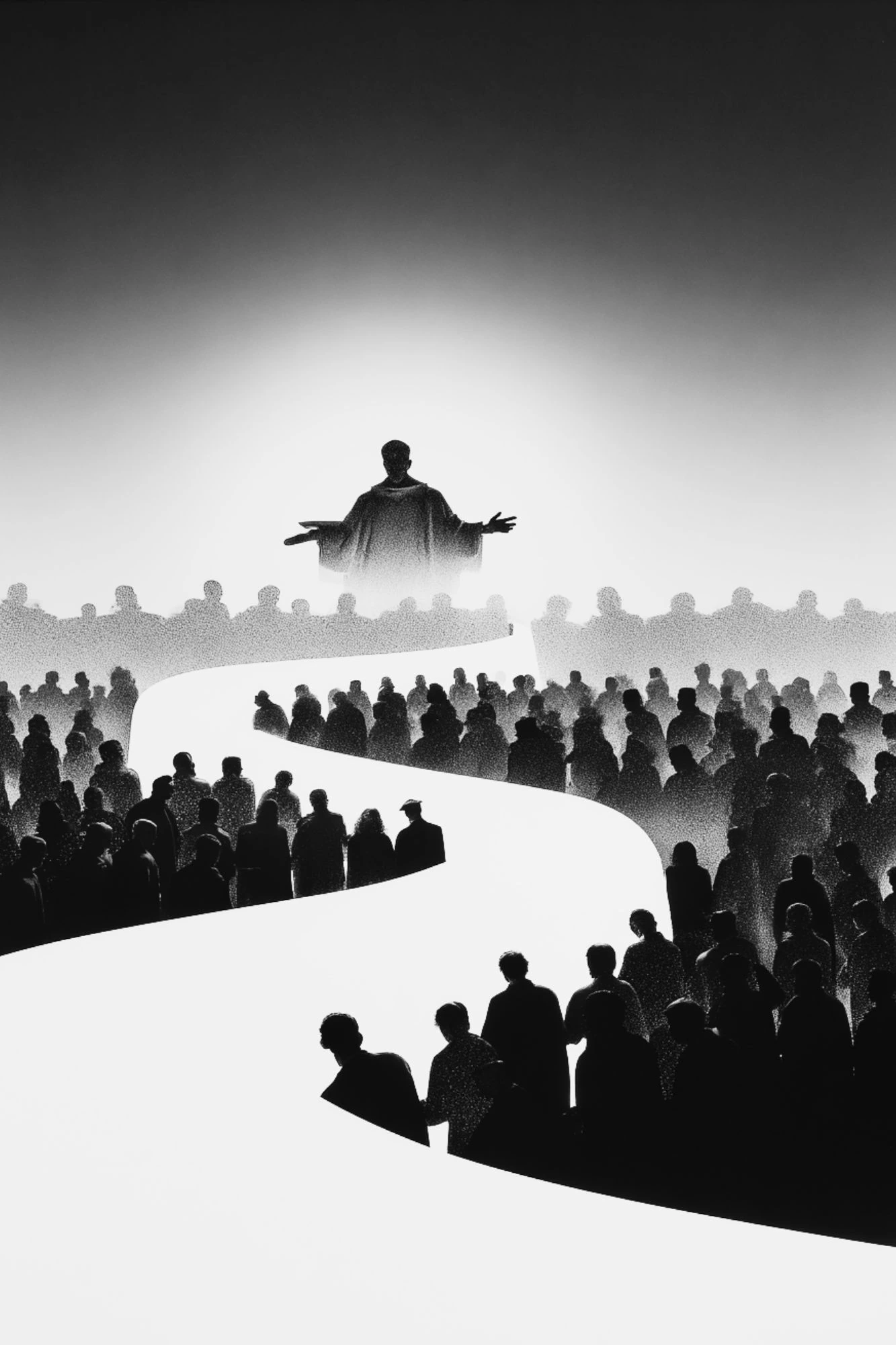
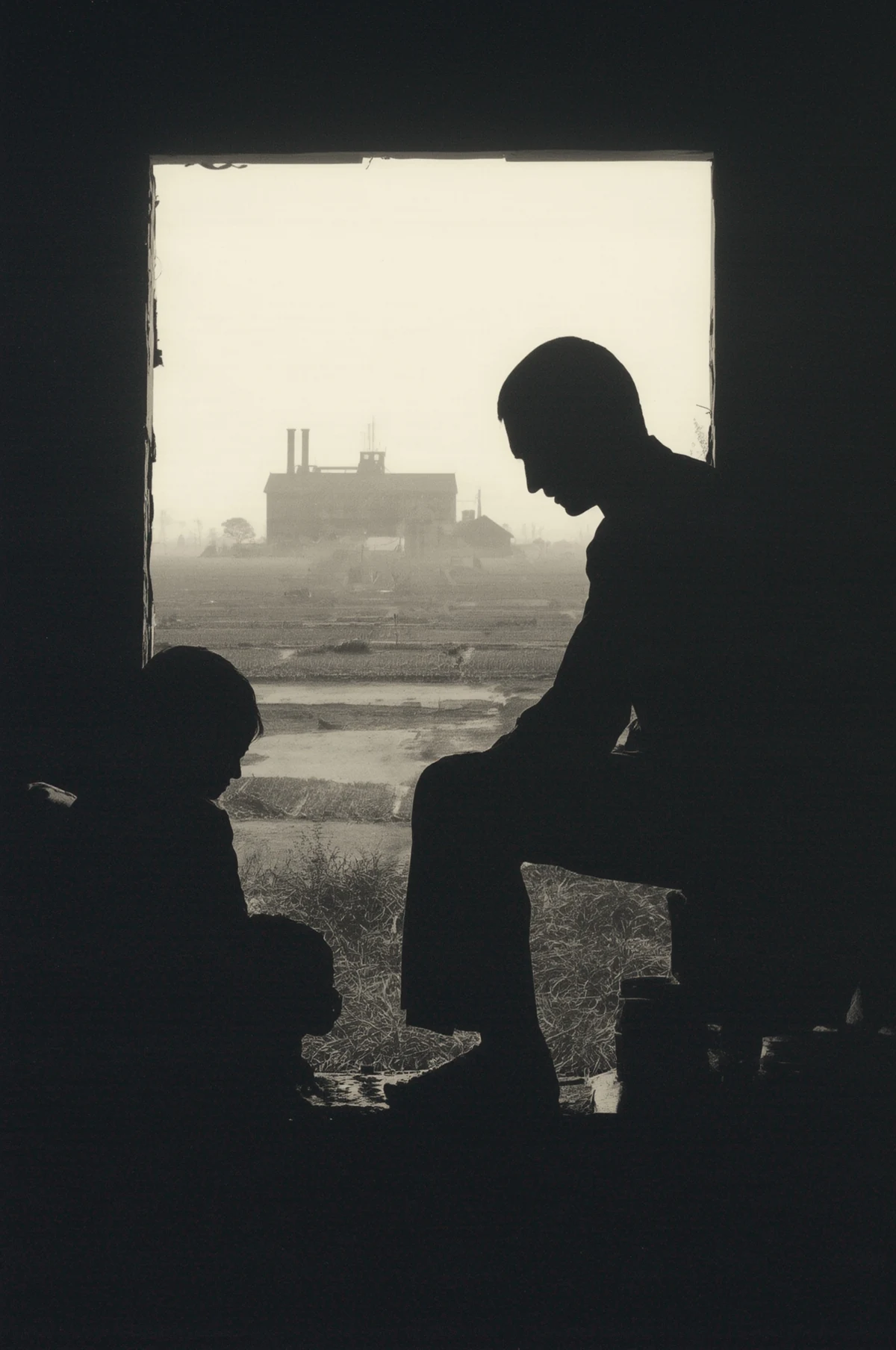
03 / Information Selected artwork from the edition’s image collection.
03 / Information
A book disappears.
“How many books have been suppressed? We haven’t the least idea. We are in the dark. We have no way of learning. Watch out next for the suppression of the socialist press and socialist publishing houses. I’m afraid it’s coming. We are going to be throttled.”
In The Iron Heel, the press is described as a "parasitic growth that battens on the capitalist class." Newspapers have an "editorial policy" to suppress any news that is a "vital menace to the established." Socialist papers are barred from the mails by Post Office rulings, and their printing plants are destroyed by mobs known as the "Black Hundreds," secretly organised by the Iron Heel.
Lee Raymond · Introduction to the Time Warp Edition (2025) “The Manipulation of Minds”
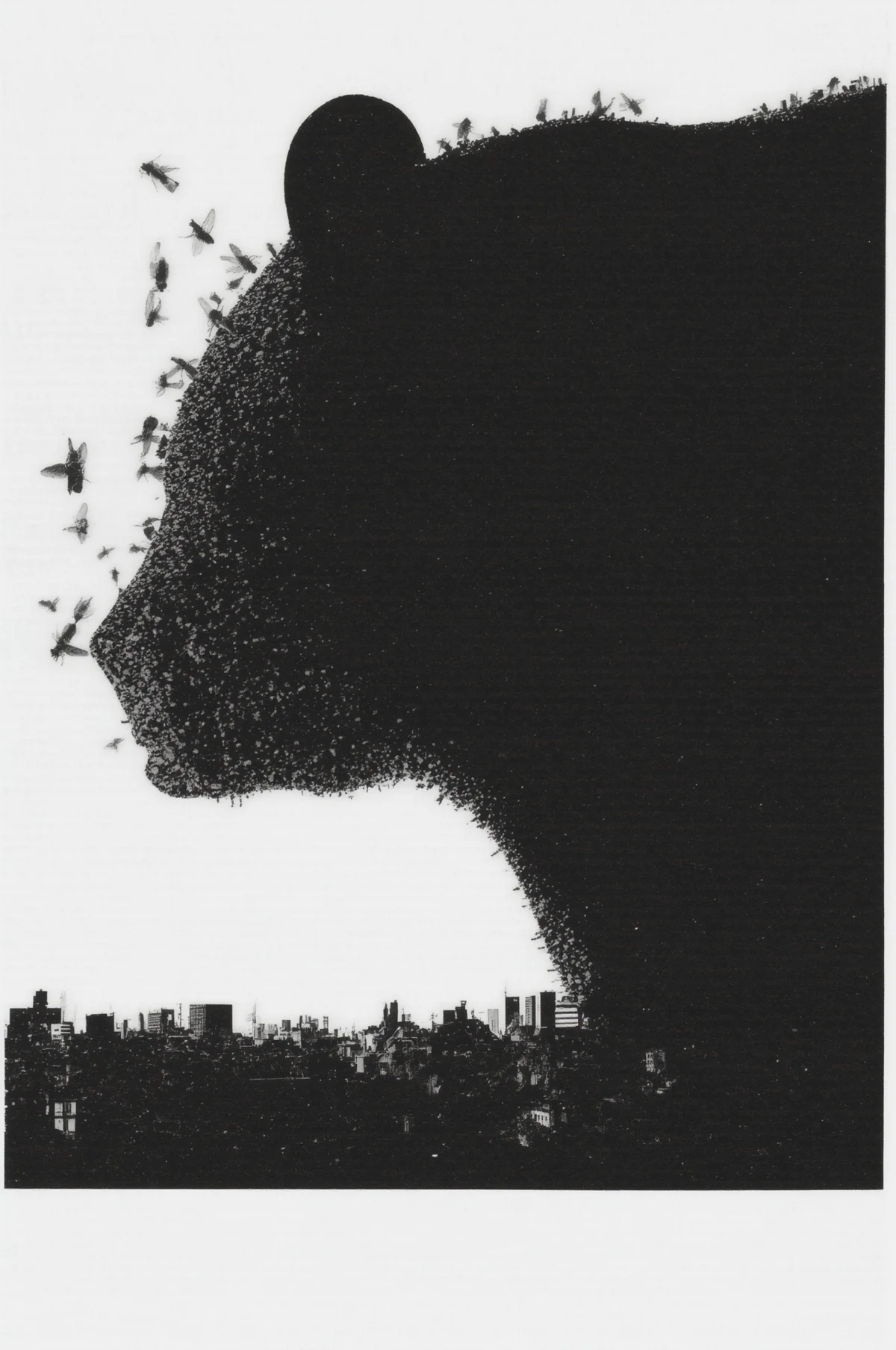
04 / Force Selected artwork from the edition’s image collection.
04 / Force
The answer is force.
“This, then, is our answer. We have no words to waste on you. When you reach out your vaunted strong hands for our palaces and purpled ease, we will show you what strength is. In roar of shell and shrapnel and in whine of machine-guns will our answer be couched.”
Eventually, the old army and militia are replaced by the Mercenaries, a professional standing army a million strong. It becomes a "race apart," living in its own cities with special privileges, developing its own class consciousness, and serving as the Oligarchy's primary instrument of force.
Lee Raymond · Introduction to the Time Warp Edition (2025) “Forging the Iron Heel”
The industrialist Wickson answers the revolutionists
“The world is ours, we are its lords, and ours it shall remain.”Mr. Wickson · Jack London, The Iron Heel (1908) Chapter V, “The Philomaths”
From the illustrated edition
The mathematics of a dream.
“You tell me that I dream. Very good. I’ll give you the mathematics of my dream; and here, in advance, I challenge you to show that my mathematics are wrong.”
Jack London’s The Iron Heel (1908) reaches us through Avis Everhard, a woman whose understanding of her comfortable world is coming apart. Her love for Ernest draws her into a political struggle. The future editor who reads her account knows how much she cannot yet see.
“Whether it was my love for Ernest, or the clear sight he had given me of the society in which I lived, that made me a revolutionist, I know not; but a revolutionist I became, and I was plunged into a whirl of happenings that would have been inconceivable three short months before.”
The Precarity of Knowledge · Illustration from the Time Warp Edition
Chapter X · The Vortex
A book vanishes from the shelves.
In Jack London’s The Iron Heel (1908), Avis’s father discovers that publishing an argument is only the beginning of its struggle to be heard. His book disappears from sale. What follows turns a dispute with a publisher into an encounter with the institutions controlling public knowledge.
“Also, and with equal suddenness, the book disappeared from the market. Not a copy was obtainable from any bookseller. Father wrote to the publishers and was informed that the plates had been accidentally injured. An unsatisfactory correspondence followed. Driven finally to an unequivocal stand, the publishers stated that they could not see their way to putting the book into type again, but that they were willing to relinquish their rights in it.”
The Time Warp Edition of Jack London’s The Iron Heel (1908) brings the novel together with Lee Raymond’s Introduction and sixteen original illustrations. Read the editorial argument, examine the artwork, and see the volume itself before choosing the paperback. The edition also includes a timeline, biography and discussion questions.
16Original illustrations throughout the novel
01An Introduction on how oligarchic power takes hold
+Story timeline, author biography and discussion questions
Jack London’s The Iron Heel (1908) follows Avis Everhard as she becomes involved in a socialist movement confronting an American oligarchy. Her account traces the concentration of economic power, the destruction of political opposition and the movement’s attempts to resist. A fictional editor in the distant future annotates her manuscript.
Who is Anthony Meredith, and why are there notes from the future?
Anthony Meredith is Jack London’s fictional editor of the recovered Everhard manuscript. His Foreword and notes look back on Avis’s world from a later society. They can correct or complicate her account, so readers encounter events through both her immediate experience and his historical distance. Meredith’s voice is part of London’s original novel.
What is included in the Time Warp Edition of The Iron Heel?
The Time Warp Editions paperback of Jack London’s The Iron Heel includes an Introduction by Lee Raymond, sixteen original illustrations, a story timeline, an extended author biography and discussion questions. The edition is listed at 335 pages. The edition page presents selected artwork and passages from the Introduction.