Time Warp Editions
A closer look
at the edition.
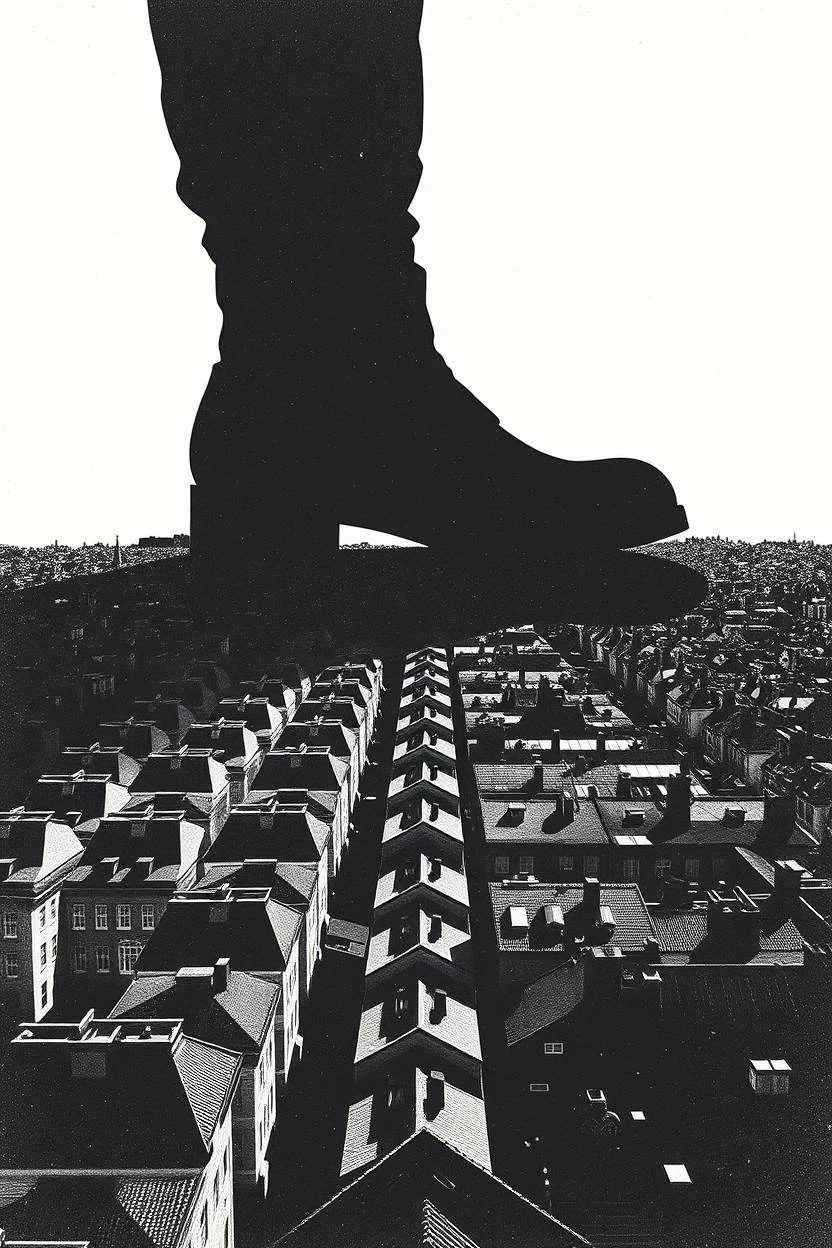
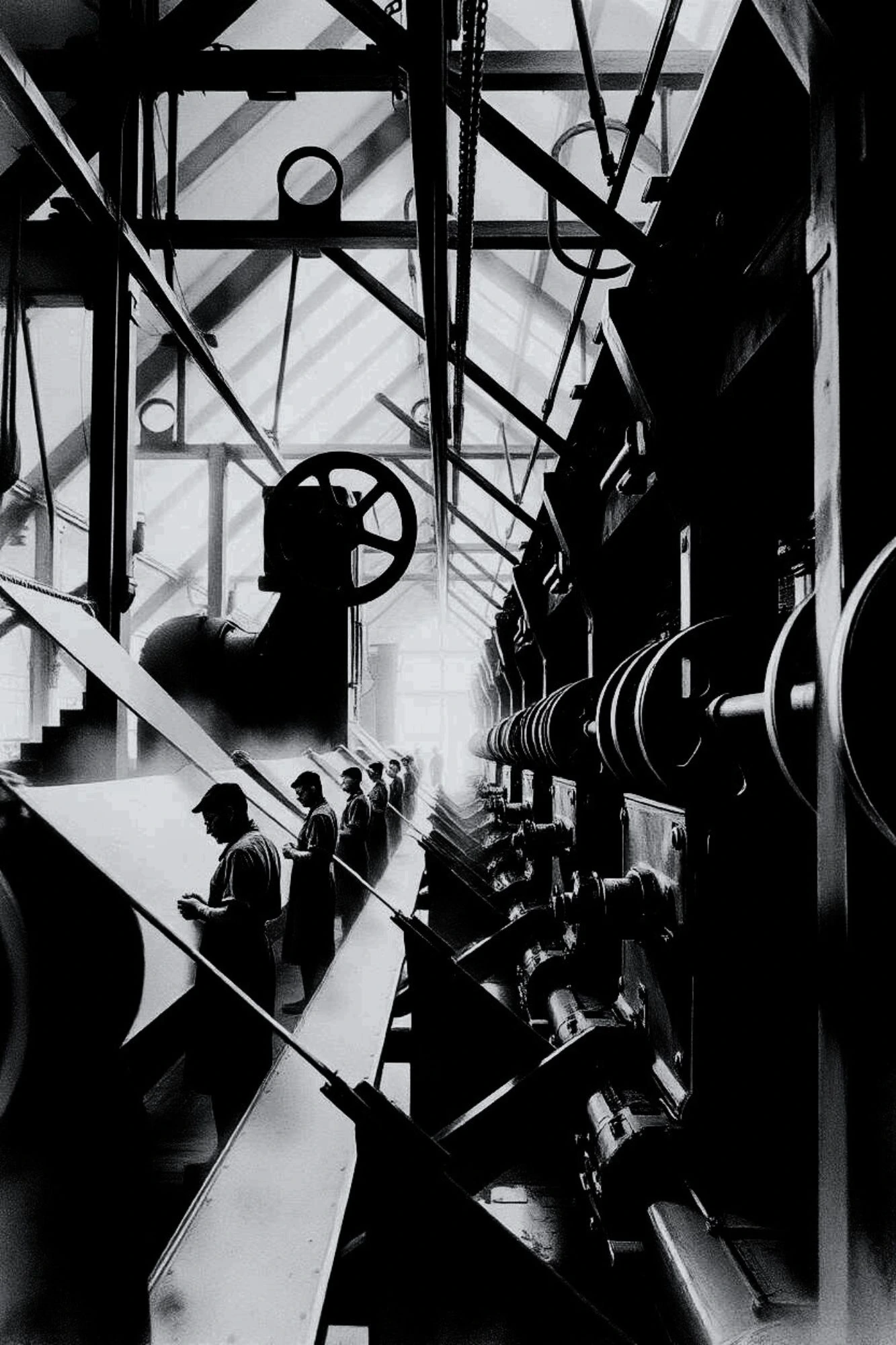
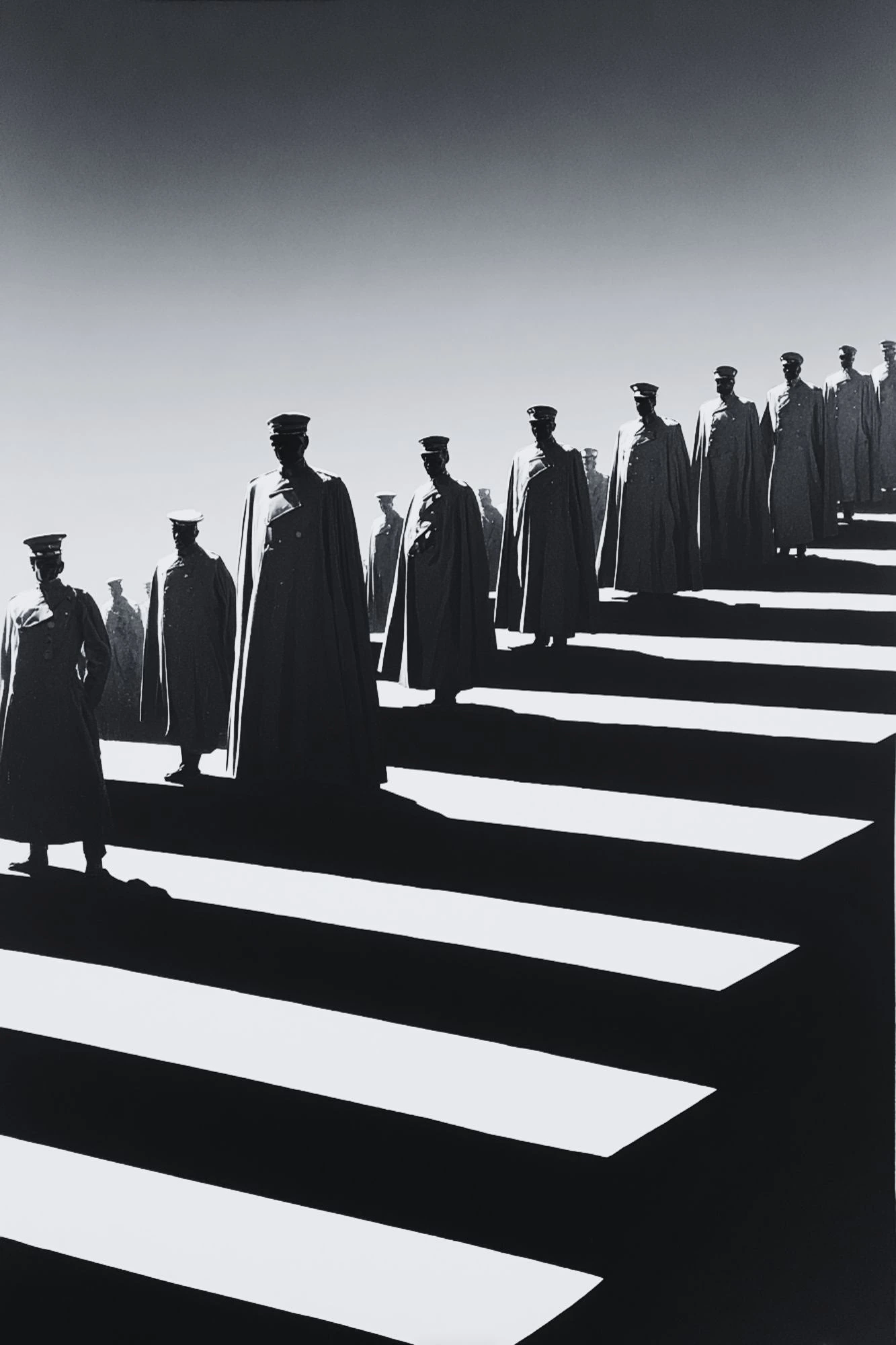
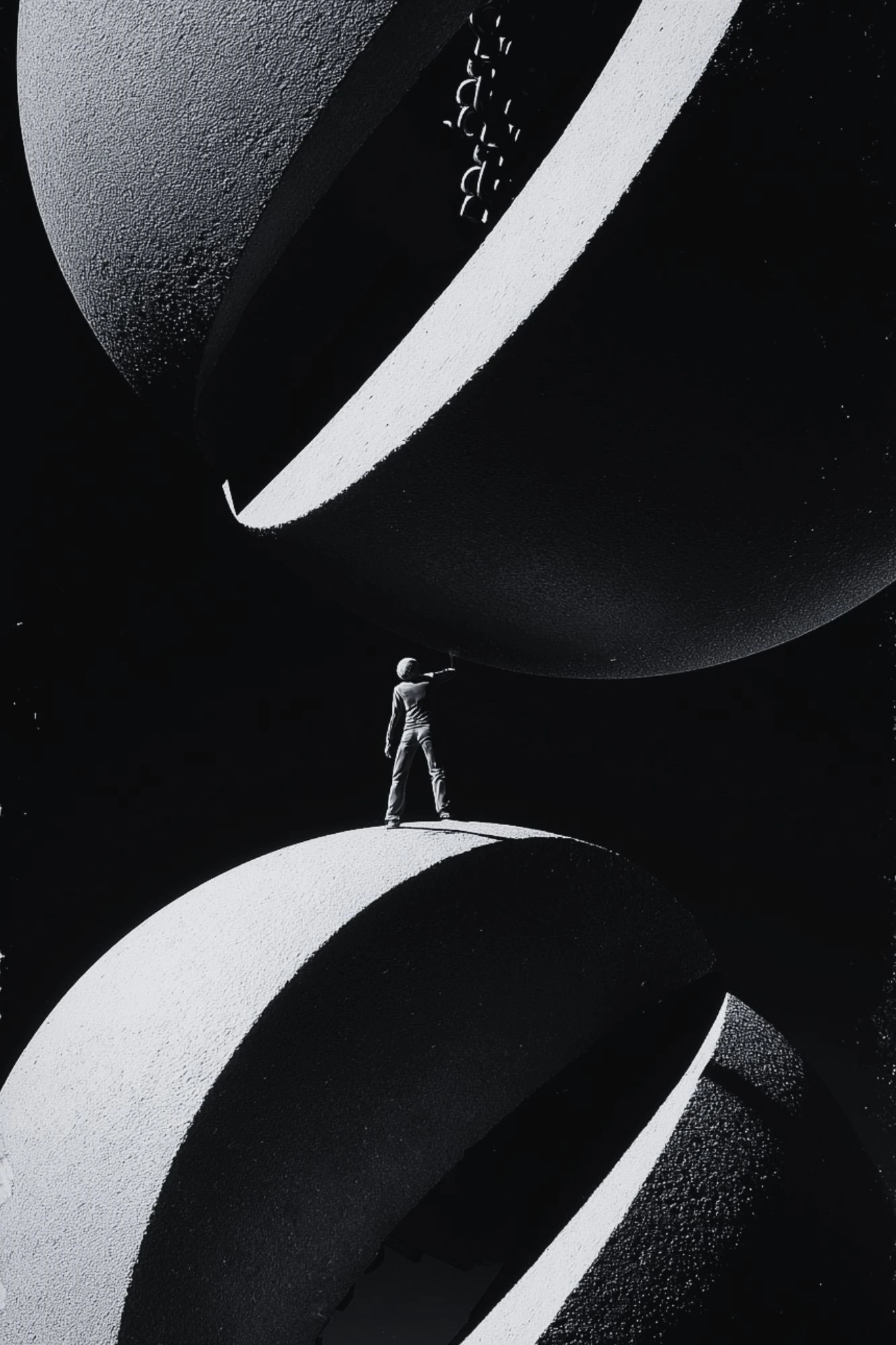
The Time Warp Edition of Jack London’s The Iron Heel (1908) pairs the novel with Lee Raymond’s Introduction, sixteen original illustrations and material for further reading and discussion. Here you can read a substantial Introduction excerpt, examine selected artwork and view pages from the print Introduction.
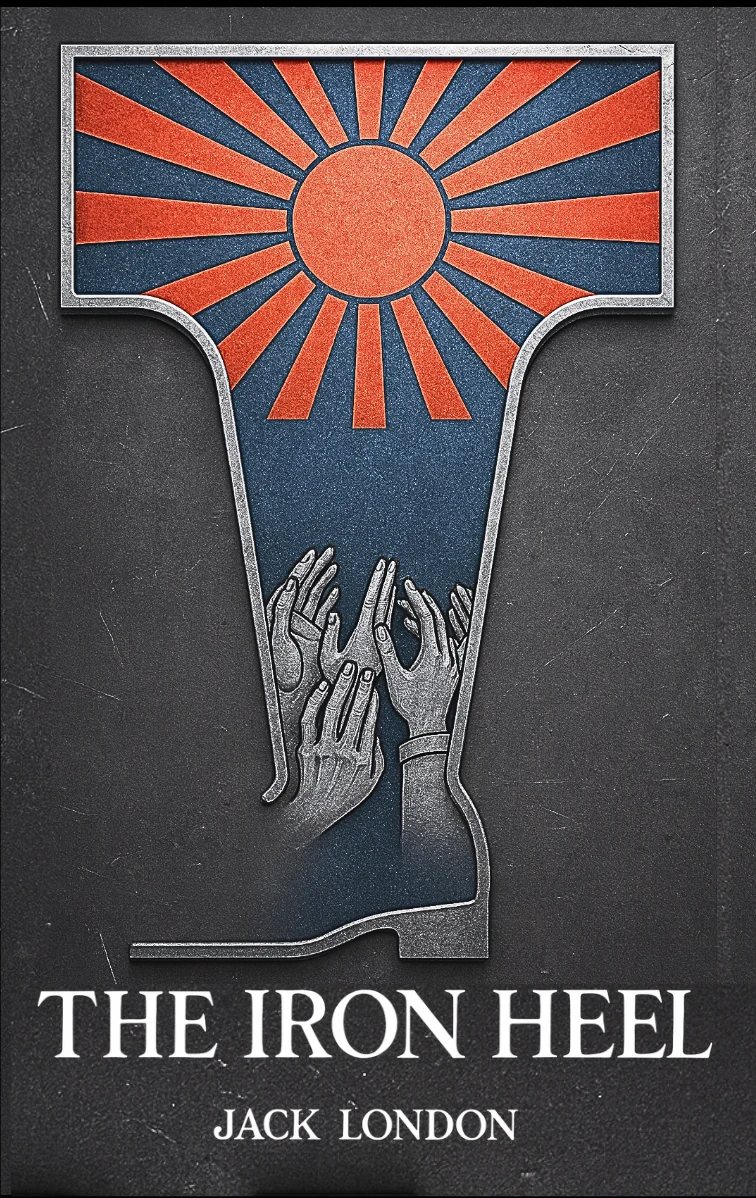
The illustrated paperback
London’s novel.
Raymond’s reading.
Jack London’s The Iron Heel (1908) examines a society in which wealth acquires the machinery of government. Lee Raymond’s Introduction follows that transfer of power through the novel’s institutions. Sixteen illustrations give the edition a stark visual language, while the timeline, biography and discussion questions support a longer encounter with London’s work.
- Author
- Jack London
- Introduction & editor
- Lee Raymond
- Format
- Paperback · 335 pages
- Trim size
- 5.5 × 8.5 inches
- Imprint
- Time Warp Editions
- ISBN-13
- 9781967573073
Paperback specifications from the publisher’s Amazon listing, checked 27 September 2026.
London’s literary architecture
The novel's true innovation lies in its narrative structure. By framing the story as a found manuscript with future annotations, London creates what we might call a "multi-perspectival" narrative. Avis writes with urgency based on her experience; Anthony Meredith annotates with the detachment of historical hindsight. The double vision forces readers into a strange temporal position. We read simultaneously as contemporaries and as future archaeologists of civilization's collapse.
…
Forging the Iron Heel: from plutocracy to oligarchy
The oligarchs in The Iron Heel are not comic-book villains. They are ardent administrators, those who prefer minutes to manifestos. They consolidate trusts, fix prices, hire talent, and calculate strategy to every gory detail. Theirs are the dry instruments of a confident, unrelenting ruling class.
Industrial trusts do more than simply control markets. They reorganize social life. The mostly nameless and faceless oligarchs need not shout their dominance. They paper it in law and legitimate it with expertise. This is the signature of a mature elite: instead of announcing itself it is simply felt in prices, contracts, and law.
The transformation from wealth to oligarchy is a methodical process of consolidating power, culminating in a ruthless despotism. The process occurs in several key stages.
First, the decay of competitive capitalism and the march of economic consolidation. The narrative begins in an era of "rotten-ripe" capitalism, which, instead of evolving into socialism as many predicted, gives rise to the "monstrous offshoot, the Oligarchy."
Trusts eliminate competition. Large corporations use their superior capital and efficiency to drive small businesses and manufacturers to ruin. Businessmen at a dinner party describe how trusts absorb all their profits, effectively reducing them to the status of employees or forcing them into bankruptcy. Yet, they too would combine and consolidate if they could. At times it reads like the story of Amazon entering small-town anywhere, a prediction unearthed from a time capsule.
…
Second, the seizure of political and governmental machinery. The Plutocracy transforms economic power into absolute administrative control. Law and courts become their tools. Thousands of lawyers twist and evade laws for the benefit of the wealthy. Courts are described as being "in the hands of the trusts," rendering them useless for those seeking justice against corporate power.
The government is run not by the people but by the "brain of the Plutocracy," described as seven small but powerful groups of men. Politicians are depicted as "the tool and the slave" of machine bosses, who are themselves owned by the capitalists. When the agrarian Grange Party legally wins elections in a dozen states, the Oligarchy-backed incumbents simply refuse to leave office, using the courts to tie up the situation indefinitely. Is it starting to sound like the 2020's?
Third, the creation of a loyal military force. To enforce its rule, the Oligarchy builds an unshakable military power. The regular army is systematically increased from 50,000 to 300,000 and then further. A secret law is passed that allows the government to draft any able-bodied male citizen into the militia and use them to crush uprisings. Under this law, citizens are forced, under penalty of death by court martial, to "shoot down their comrade-workers in other states."
Eventually, the old army and militia are replaced by the Mercenaries, a professional standing army a million strong. It becomes a "race apart," living in its own cities with special privileges, developing its own class consciousness, and serving as the Oligarchy's primary instrument of force.
Lee Raymond, Introduction to The Iron Heel, Time Warp Editions (2025), “London’s Literary Architecture” and “Forging the Iron Heel: From Plutocracy to Oligarchy.”
Read the page
The Introduction,
on paper.
Lee Raymond’s Introduction to Jack London’s The Iron Heel (1908) gives the reader an argument to test against the novel. These genuine pages show its treatment of narrative form and the consolidation of power. Enlarge a page to read it; the selected passages above are also available as text.
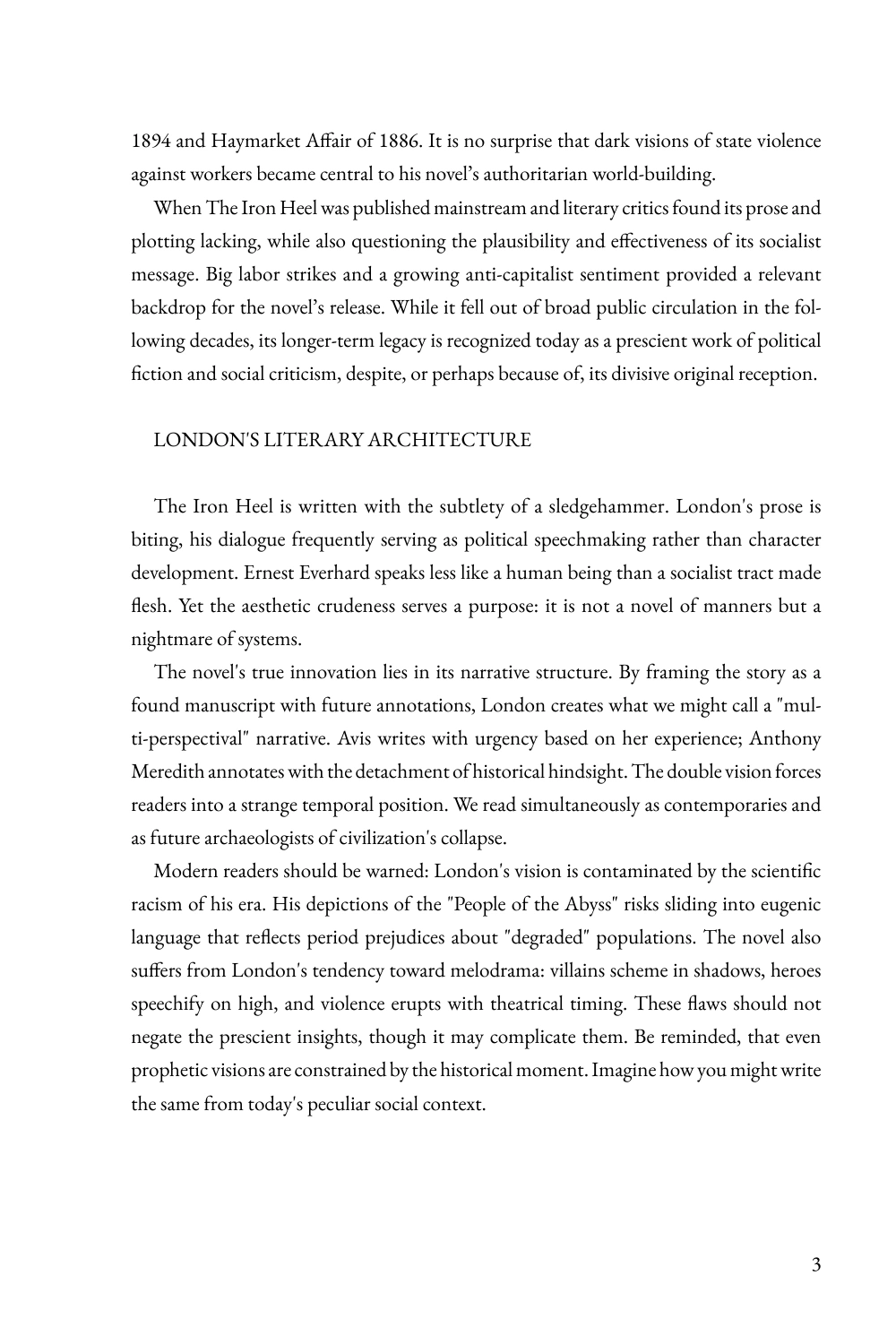
London’s literary architectureEnlarge page ↗
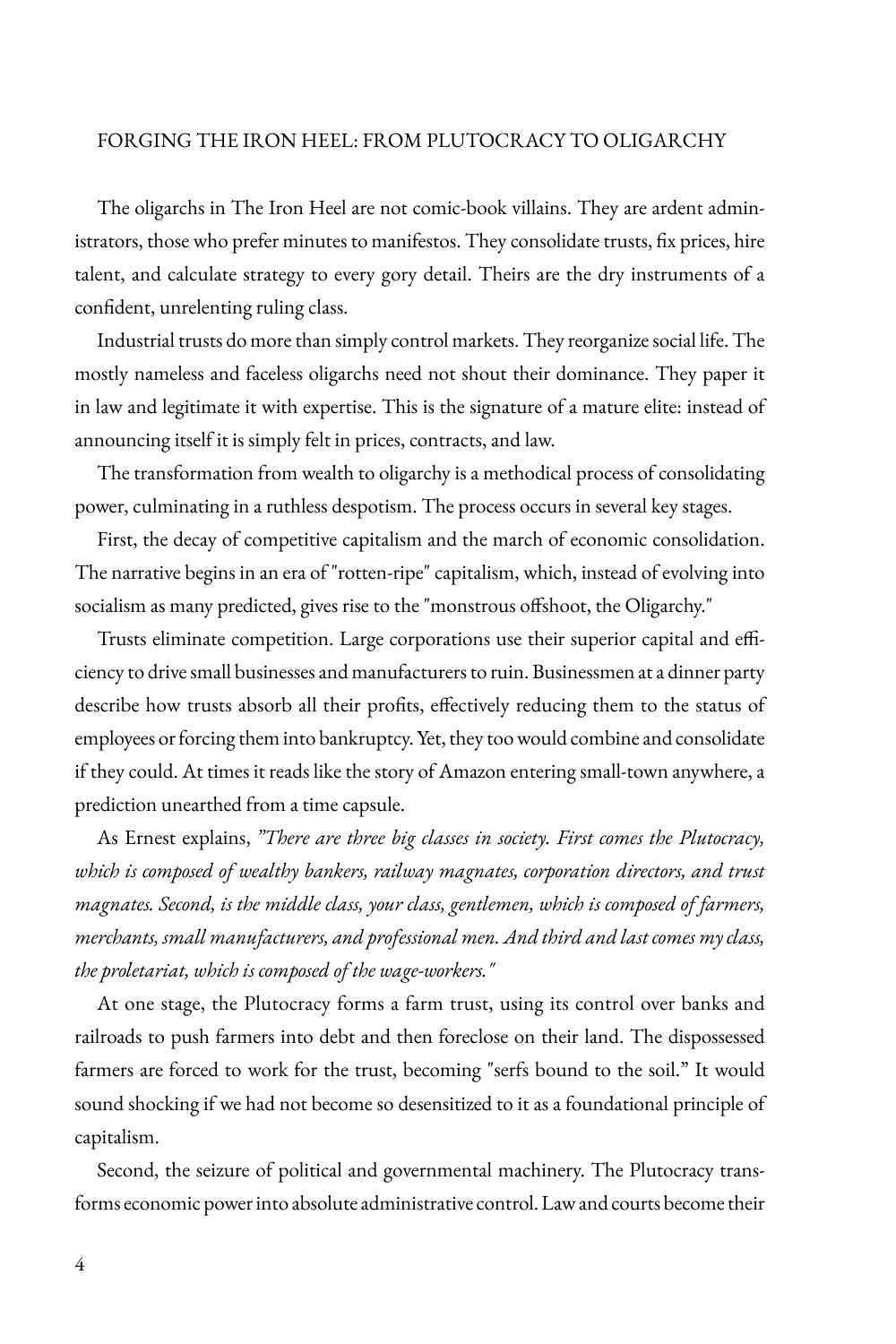
Forging the Iron HeelEnlarge page ↗
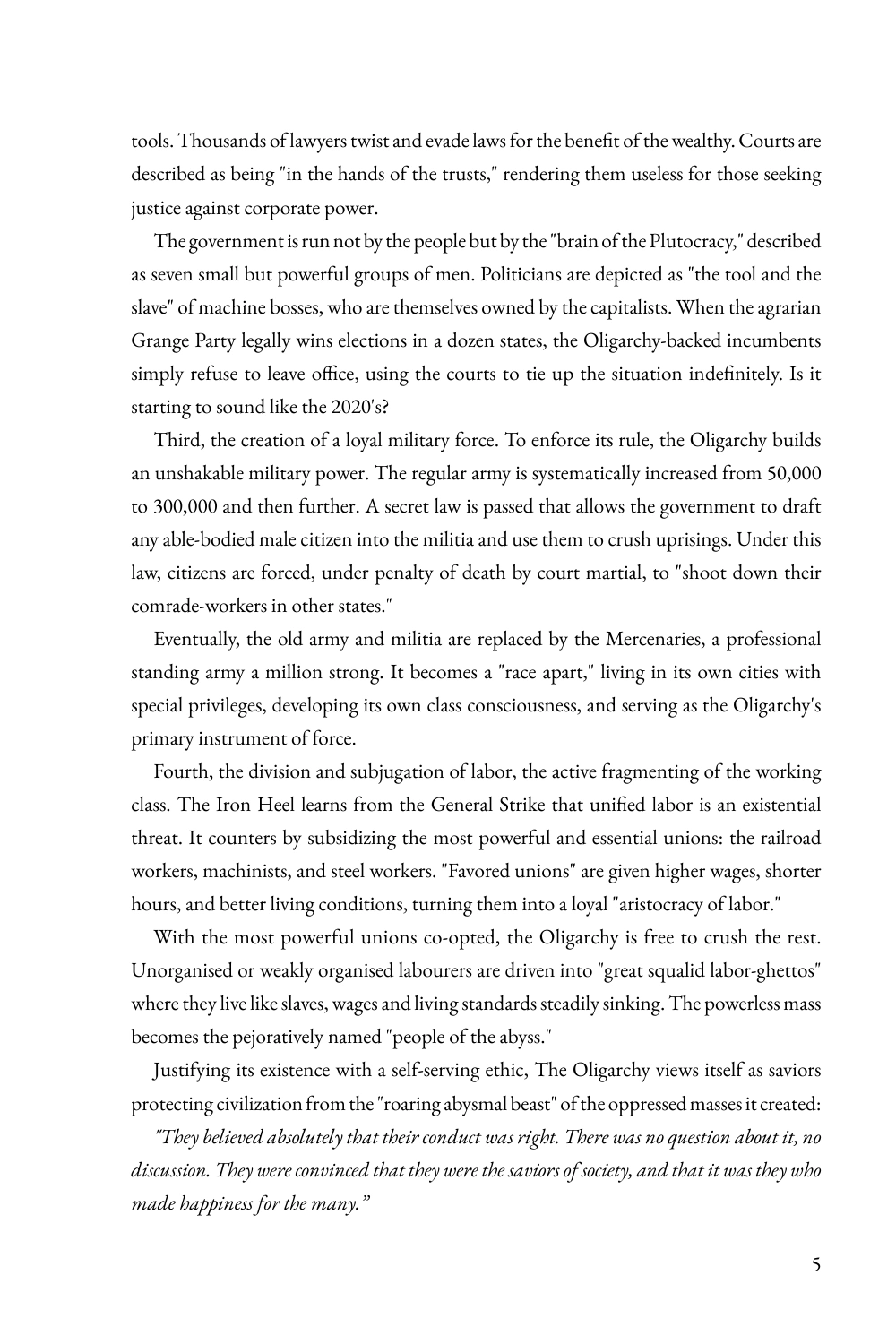
The enforcement of powerEnlarge page ↗
Pages reproduced from the final-print Introduction. Page size and pagination may differ between formats.



The volume itself
Made to
be read closely.
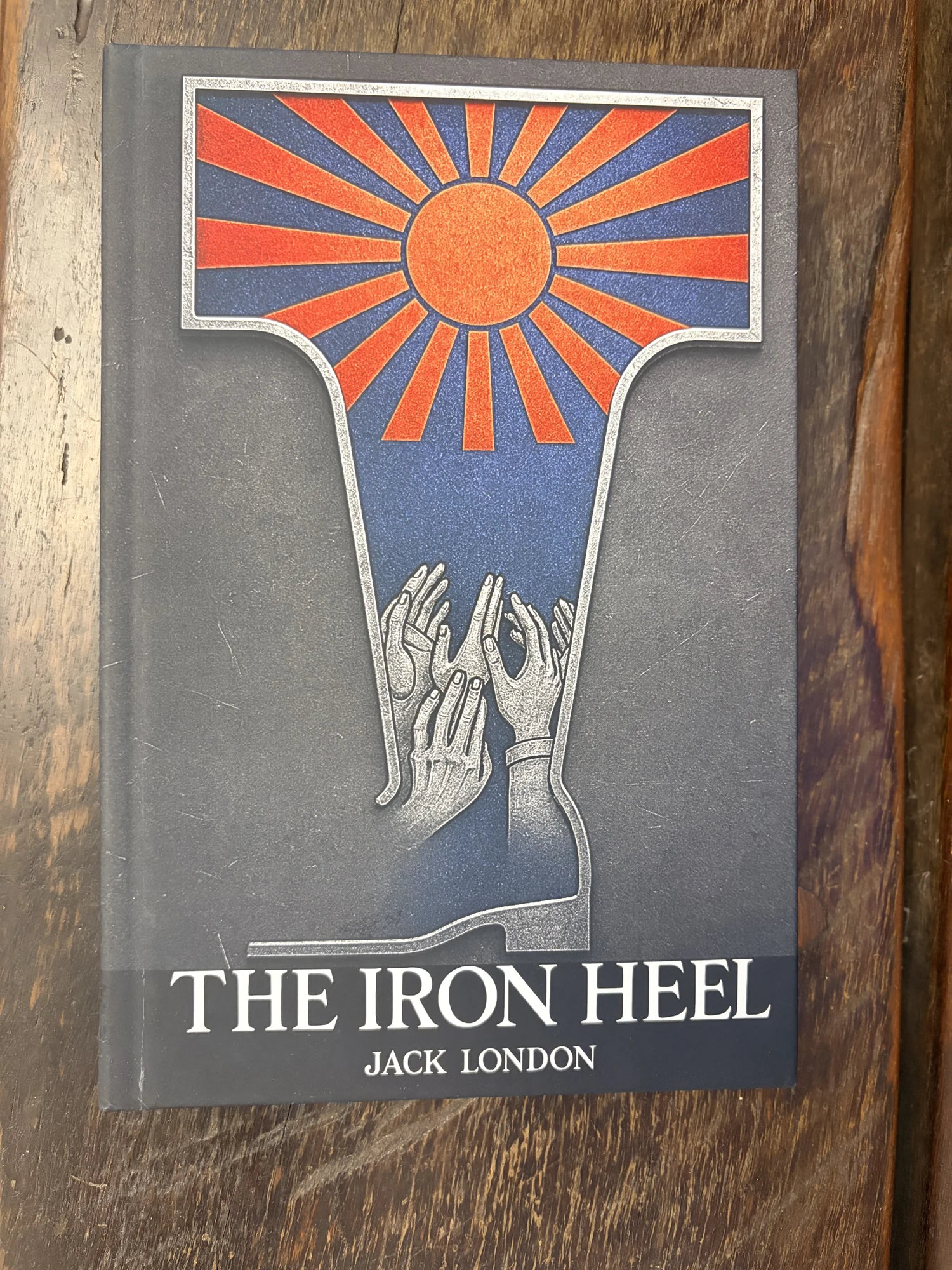
The Time Warp Edition of Jack London’s The Iron Heel (1908) brings the argument back to a physical volume. The cover’s raised hands, silver heel and orange-red sun establish its visual world. The Introduction and illustrations then carry that encounter into the reading of London’s novel.
Time Warp Editions · Illustrated paperback
The
Iron Heel
Introduction by Lee Raymond
16 original illustrations · 335 pages
ISBN 9781967573073
Paperback details and current availability on Amazon.